
Newsletter Subscribe
Enter your email address below and subscribe to our newsletter
Enter your email address below and subscribe to our newsletter

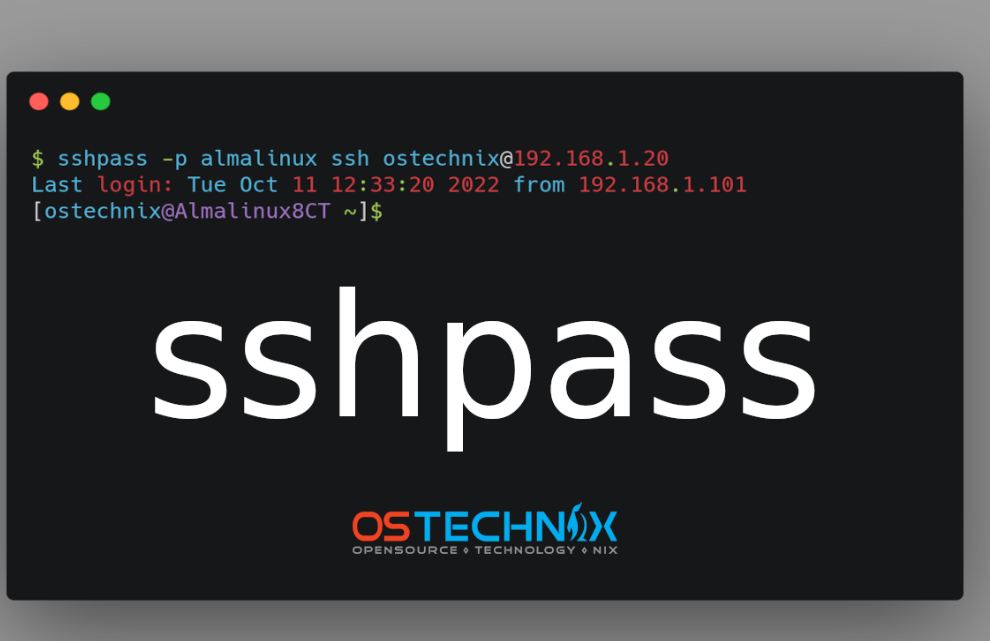
The keyword sshpass is widely searched by users who work with remote servers, automation, and system management. In today’s digital environment, Secure Shell (SSH) is commonly used to connect to remote systems. However, entering a password repeatedly can be time-consuming. This is where sshpass becomes useful. It allows users to automate SSH login by providing the password directly within commands. This article explains everything about sshpass in a simple and easy-to-understand way.
Sshpass is a command-line utility that enables users to pass a password to SSH automatically. Normally, SSH requires manual password input for security reasons. Sshpass simplifies this process by allowing the password to be included in the command, making automation possible.
The main purpose of sshpass is to automate login processes for SSH connections. It is especially useful in scripts where repeated access to remote servers is required. By using sshpass, users can avoid typing the password multiple times and save time.
Users search for sshpass for various reasons. Developers and system administrators often use it for automation tasks such as running remote commands, managing servers, or transferring files. It is also useful for beginners who want a simple way to connect to remote systems.
Sshpass works by supplying the password when the SSH command prompts for it. When a connection is initiated, sshpass automatically provides the password, allowing the login process to complete without manual input. This makes it ideal for scripting and automation.
Sshpass is typically used with SSH commands in the terminal. Users include the password in the command along with the SSH connection details. This allows automated login to remote systems and execution of commands without interruption.
Sshpass offers several important features. It supports password-based authentication in scripts, works with SSH and SCP commands, and is lightweight and easy to use. It helps streamline repetitive tasks in server management.
Sshpass is used in many situations. These include automating server access, executing remote scripts, transferring files using SCP, and performing batch operations on multiple systems. It is commonly used in development and testing environments.
Using sshpass provides multiple advantages. It saves time, reduces manual effort, and improves efficiency in repetitive tasks. It is especially helpful for quick automation when setting up more advanced authentication methods is not possible.
Despite its usefulness, sshpass has some limitations. It is not considered highly secure because the password is visible in commands or scripts. This can create risks, especially on shared systems or production environments.
Security is very important when using sshpass. Since passwords may be exposed in command history or scripts, it is recommended to use it only in controlled environments. For better security, key-based authentication is preferred over password-based login.
To use sshpass safely, avoid storing passwords in plain text and limit its usage to non-sensitive environments. Always consider using SSH keys for long-term and secure connections. Regularly review your scripts to ensure data protection.
Sshpass plays an important role in automation by simplifying remote access. It allows users to perform tasks quickly and efficiently, especially in environments where automation is required for testing or temporary setups.
Sshpass is a useful tool for automating SSH logins and remote operations. It helps users save time and improve workflow efficiency. However, due to security concerns, it should be used carefully and only when necessary. By understanding its features and following best practices, users can use sshpass effectively while maintaining system security.